Easter Island
Where stone giants greet the sunrise and time stands still.
Rising from the endless waters of the Pacific Ocean, Easter Island—or Rapa Nui—is a land of mystery and timeless beauty. Its moai statues, silent stone guardians, stand watch over a culture that has endured through centuries, between dormant volcanoes, emerald hills, and the whispering sea. A destination where history, nature, and spirituality converge into one unforgettable experience.
Located over 3,700 kilometers from the Chilean mainland, Easter Island is one of the most remote inhabited places on Earth and a highlight of tourism in Chile. Covering 163 km², it belongs to the Valparaíso Region and forms part of the Rapa Nui National Park, declared a UNESCO World Heritage Site. Its capital and only town, Hanga Roa, is home to around 8,000 residents, proud descendants of the ancient Polynesian civilization.
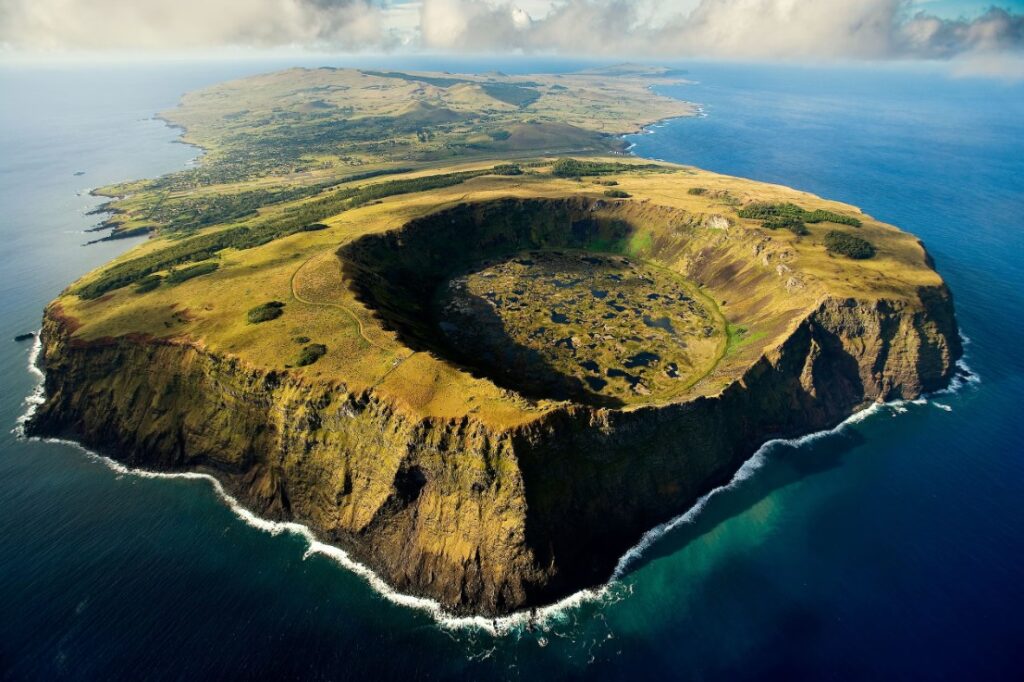
The island’s main attractions are the awe-inspiring moai statues, carved centuries ago to honor ancestors and protect the island. Key sites such as Ahu Tongariki, Rano Raraku, and Anakena Beach reveal the depth of Rapa Nui’s spiritual and artistic legacy. Visitors can also explore volcanic craters like Rano Kau, the ceremonial cave Ana Kai Tangata, and pristine beaches with turquoise waters perfect for swimming and diving.
Rapa Nui cuisine blends Polynesian traditions with Chilean influences, featuring dishes such as tuna ceviche, curanto pascuense, and po’e, a sweet cake made from banana or sweet potato. Hanga Roa offers charming restaurants and cultural shows where food and tradition meet by the ocean.
The island’s flora includes grasslands, palm trees, and endemic species like the toromiro, once thought extinct. Marine life thrives around the island, from sea turtles to dolphins and colorful tropical fish, making it a paradise for snorkeling and diving enthusiasts.
Rapa Nui is more than a destination—it’s a journey into the soul of the Pacific, where mystery and meaning still echo in the wind.

Tourist activities to do in Easter Island, Chile
Ahu Tongariki — sunrise with the moai
This volcanic crater was the “workshop” where almost all the moai on the island were carved. Walking among half-buried moai in various states of completion — some still attached to the rock — offers a captivating window into the island’s past and the craftsmanship of its ancient people.
Orongo & Rano Kau — volcanic crater & sacred village with ocean views
At the edge of the Rano Kau volcano crater you’ll find the ancient ceremonial village of Orongo, once the center of the island’s Birdman cult. The site blends cultural heritage with dramatic natural scenery — steep cliffs, wide ocean views, and the volcanic crater itself filled with lush vegetation. A visit here connects you with both the island’s spiritual history and its breathtaking landscapes
Anakena Beach — white-sand beaches, moai and turquoise waters
For a completely different vibe: enjoy soft white sand, crystal-clear waters, and palm trees. Anakena is one of the few spots on the island combining beach time with archaeology — you can relax, swim or snorkel, and also visit moai platforms nearby. It’s a great counterpoint to the historic and volcanic sites, offering rest and natural beauty.
Adventure & Nature: Hiking, caves, diving, and more
If you want more than history and beaches — the island offers full-on adventure: volcano hikes, exploring lava caves, diving or snorkeling along rugged coastlines, and even discovering lesser-known natural spots. It’s a chance to see a wild, varied side of Easter Island beyond the moai.
Hanga Roa — the island’s heart: culture, crafts, nightlife, everyday island life
Beyond the grand landscapes and historical sites, Hanga Roa—the main town of the island—offers a laid-back atmosphere. Here you can wander through crafts shops, cafés, local restaurants, meet locals, or just enjoy the sea breeze at sunset. It’s a good way to round out the trip with a taste of modern island life.
Ahu Tongariki – The Island’s Most Iconic Sunrise
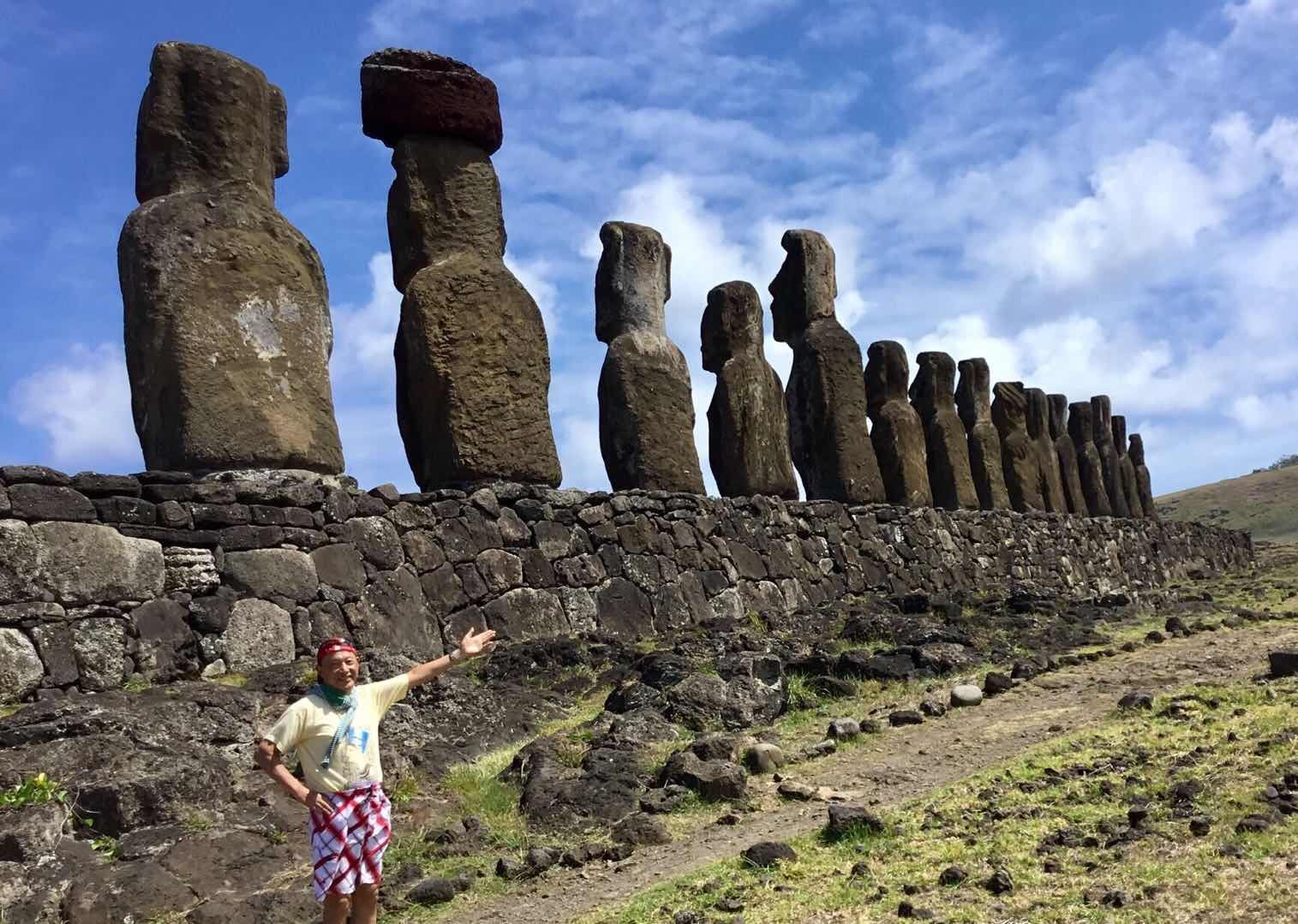
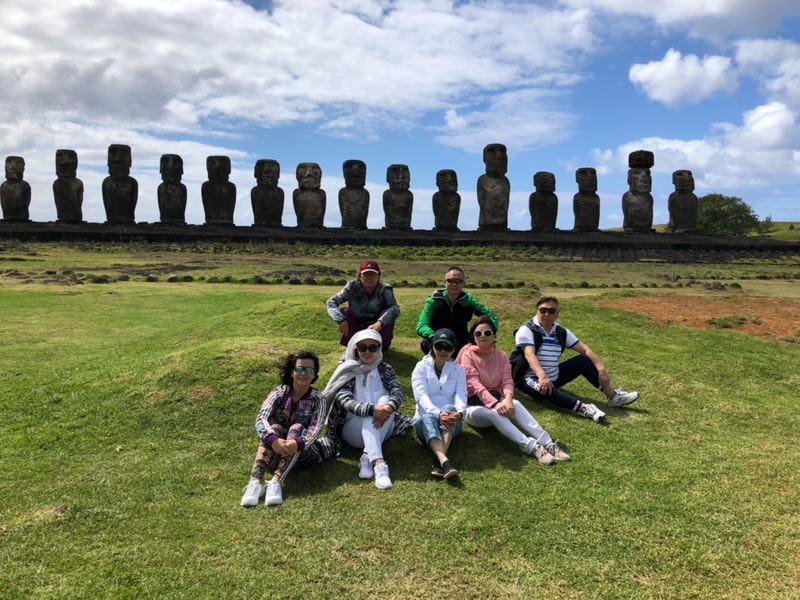
Ahu Tongariki is the largest ceremonial platform in Rapa Nui, famous for its 15 restored moai facing inland. Visiting at sunrise is one of the most memorable experiences on the island. As the sun rises behind the ocean, the silhouettes of the moai create a breathtaking spiritual atmosphere. It is one of the must-see locations for understanding the island’s archaeological and cultural heritage.
Rano Raraku – The Quarry Where the Moai Were Born
Rano Raraku is the volcanic quarry where nearly all the moai of Easter Island were carved. Today, visitors can walk among dozens of unfinished statues in different stages of construction, some half-buried and others still attached to the rock. Exploring this site offers deep insight into the ingenuity, effort, and cultural beliefs of the ancient Rapa Nui civilization.
Orongo & Rano Kau – Ancient Ceremonies and Volcano Views
Located along the edge of a massive crater, Orongo was once the center of the Birdman (Tangata Manu) ceremony. The stone houses, petroglyphs, and ceremonial platforms overlook the dramatic cliffs of Rano Kau and the three small offshore islets. This area perfectly blends archaeology with stunning natural landscapes, offering one of the best panoramic views on the island.
Anakena Beach – White Sand, Palm Trees, and Moai
Anakena is the island’s most famous beach, known for its white coral sand, calm turquoise waters, and coconut palms. It is also home to Ahu Nau Nau, a beautifully preserved moai platform. Anakena is ideal for swimming, relaxing, and enjoying one of the few places on the island where culture and beach life merge naturally.
Hiking Adventures – Coastlines, Volcanoes, and Hidden Trails
Easter Island offers multiple hiking routes across volcanic landscapes, scenic cliffs, and open grasslands. Popular trails include the climb to Terevaka, the highest point on the island, and coastal walks around the Poike Peninsula. These routes allow travelers to appreciate Rapa Nui’s untouched nature and breathtaking views far from the main archaeological sites.
Exploring Lava Caves – Underground Passages and Ocean Views
The island’s volcanic past created an extensive network of lava tubes and caves. Caves such as Ana Kakenga (“Cave of the Two Windows”) and Ana Te Pahu offer unique explorations through natural tunnels that open onto dramatic cliffside views. Guided visits are recommended to learn about their geological formation and cultural importance.
Diving and Snorkeling – Exceptional Visibility and Marine Life
The waters surrounding Easter Island are known for their extraordinary clarity, often exceeding 50 meters of visibility. Diving and snorkeling offer encounters with colorful fish, coral formations, and submerged volcanic structures. Certified diving centers also offer excursions to see an underwater replica of a moai — a unique experience for marine adventurers.
Hanga Roa – Culture, Crafts, and Local Life
Hanga Roa is the only town on the island and the center of modern Rapa Nui life. Visitors can stroll through its artisan markets, try traditional Rapa Nui cuisine, attend cultural dance shows, and explore local cafés. It’s the perfect place to connect with local traditions, art, and the island’s contemporary rhythm.
Traditional Rapa Nui Shows – Music, Dance, and Ancestral Culture
Evenings on Easter Island often include Polynesian dance performances featuring traditional costumes, chanting, and powerful drum rhythms. These shows offer insight into the island’s cultural heritage, legends, and artistic expression. Many performances include elements of the Hoko (war dance) and other ancestral traditions.
Ahu Akivi – The Seven Moai Facing the Ocean
Unlike other platforms, the seven moai of Ahu Akivi face the ocean. According to oral tradition, they represent explorers sent by King Hotu Matu’a before the first settlement. This site is also famous for its astronomical alignment with the spring and autumn equinoxes. It’s a peaceful and symbolic stop for those interested in the island’s cosmology.

From desert to ice, Chile is one epic journey. Explore the world’s most dramatic landscapes with us. Your adventure begins now.
Copyright © 2026 Pacific Tour Chile | Your adventure begins now. | Powered by Creata Publicidad